Think Defensively: Bruce Kelley’s Rules for the Pitch Room
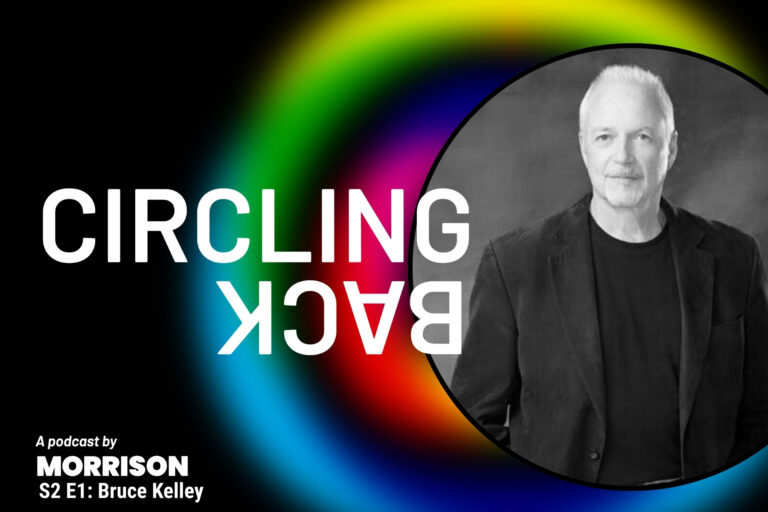
In this special episode, host Amanda sits down with her father, Bruce Kelley, to trace his journey through some of the most iconic names in advertising history, including Ogilvy, DDB, and The Martin Agency. Bruce shares candid stories from his decades-long career, offering timeless wisdom on “thinking defensively,” the art of the client-agency partnership, and the unique thrill of seeing your work in the wild.
Listen here or wherever you get your podcasts!
||
00:00:11 Amanda
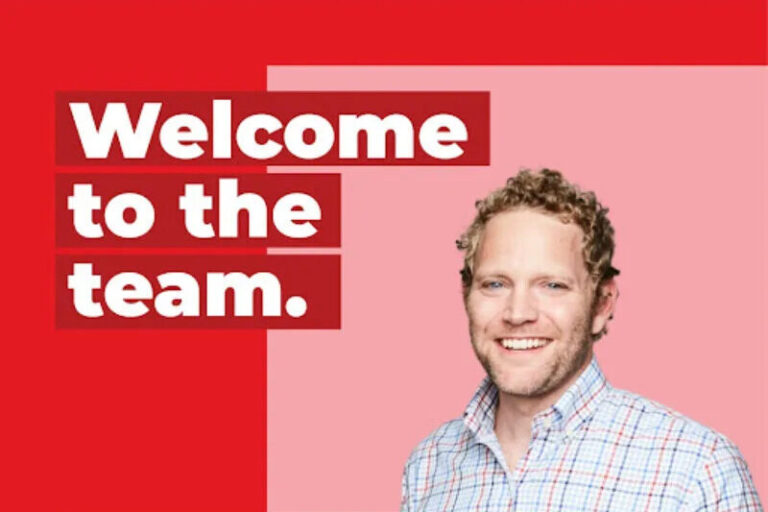
Welcome to this episode of Circling Back. Today we’ll be talking to one of my most favorite people in the world, my dad, Bruce Kelly, about his long career in advertising. But first, we’ll be speaking to Morrison’s new president, Rebecca Lentz. On our segment, say More.
00:00:37 Amanda
Hello, Rebecca, and welcome to the Circling Back Podcast.
00:00:41 Rebecca Lentz
Hello, thanks for having me.
00:00:42 Amanda
I’m so glad you’re here. This is the first time we’ve had you on the pod, and it’s a momentous occasion because you’ve just taken the role of President of Morrison. Congratulations.
00:00:53 Rebecca Lentz
Thank you, thank you, so excited.
00:00:55 Amanda
So I thought in honor of that, we could play a little game of 2026 this or that, so that even though you’ve been at Morrison almost 11 years, people can get to know you even better. What do you think?
00:01:09 Rebecca Lentz
Let’s do it.
00:01:10 Amanda
Okay. No thinking about it. Gut reaction, just say it.
00:01:16 Rebecca Lentz
Okay.
00:01:16 Amanda
Here we go.
00:01:17 Rebecca Lentz
Here we go.
00:01:19 Amanda
ChatGPT or Gemini?
00:01:21 Rebecca Lentz
Ooh. I’m gonna go with Gemini, ’cause I think, like most things, Google will win out. But I use both currently.
00:01:29 Amanda
Okay. Texting or calling?
00:01:33 Rebecca Lentz
Calling. I’m old school. Definitely think texting is great for the short things, the casual things, but nothing beats a good old phone call.
00:01:41 Amanda
Love it. Instagram or TikTok?
00:01:45 Rebecca Lentz
Gonna show my age. But I’m gonna go Instagram.
00:01:49 Amanda
No explanation. No other explanation. Okay, let’s get into a little bit of work stuff. All right, big campaign ideas or multiple micro campaigns?
00:02:01 Rebecca Lentz
Well, I wanna say it depends on the strategy. But, I mean, we all get into advertising for the big campaign ideas, the Nikes of the world and all the fun stuff that I think we, We see and we learn and what we memorize are the big campaign ideas. That doesn’t mean there’s not a place for both, but I gotta go big campaign.
00:02:20 Amanda
Big campaign, I agree. Social or search for discovery?
00:02:25 Rebecca Lentz
Neither. Oh. AI. I’m going AI.
00:02:27 Amanda
Uh-oh, GEO.
00:02:28 Rebecca Lentz
Looking for the future. I think AI is gonna change the game. Folks are already doing it, but we’re gonna see that more and more people are discovering brands and products through searching AI.
00:02:39 Amanda
I have to agree. Okay, spec creative or case studies for a pitch?
00:02:44 Rebecca Lentz
I say no spec.
00:02:47 Amanda
Death to spec.
00:02:48 Rebecca Lentz
Death to spec.
00:02:49 Amanda
Agree. Okay, this is something that we talk about all the time. Are we winging it and nailing it, or are we over preparing?
00:02:58 Rebecca Lentz
We do say wing it and nail it all the time, but we usually say that at the end of a lot of over preparation.
00:03:03 Amanda
After we’ve nailed it.
00:03:05 Rebecca Lentz
So I go with over prep, but I love the idea of you you prep so much that it’s second nature and you understand the content so well that then you can get in the room or get in the moment and wing it a little bit. So it’s very casual and it feels much more natural that way.
00:03:19 Amanda
This reminds me of a moment in our history where we didn’t realize we had to prepare a deck for a pitch. And I wrote you a note and said, Kill time and I made the deck while you talked. And then when we presented it, The client said they were, they picked us and we won because it was the most tailored deck to them and that it was clear we had spent so much time on it. And we just looked at each other and said, well, we just, we were winging it and nailing it today.
00:03:46 Rebecca Lentz
It worked.
00:03:47 Amanda
Okay, Mad Men or Melrose Place?
00:03:50 Rebecca Lentz
I mean, I’m gonna offend you for a second, but this question shows your age. I’ve never even seen Melrose Place.
00:03:57 Amanda
What?
00:03:58 Rebecca Lentz
And Mad Men is like the best show ever created. So it would win anyways, but yeah, I’ve never seen Melrose Place. That wasn’t that in the 90s?
00:04:06 Amanda
It was in the 90s. But honestly, it’s why so many people my age got into advertising because Heather Locklear in her little power suit.
00:04:14 Rebecca Lentz
I mean, I do love a power suit. I’m kind of sad that we’ve lost the power suit.
00:04:18 Amanda
Okay, you have homework and you’ve got to find Melrose Place and watch it.
00:04:21 Rebecca Lentz
I’m not gonna lie. I don’t think it’s gonna hold.
00:04:23 Amanda
Andrew Shue? Come on. Okay. Talking about feelings at work or keeping it private.
00:04:31 Rebecca Lentz
This will surprise no one, but I’m gonna go with keeping it private. I’m not a big feelings person. I do, I will say, and this is a credit to you and working together over the past 10 plus years, but I think I am coming around to the idea that it can be beneficial to talk about your feelings, to better the work, better the atmosphere.
00:04:52 Rebecca Lentz
I like the idea of an open environment and that level of trust. But again, I’m a little old school in that I try not to talk about our feelings all the time.
00:05:02 Amanda
Handmade creative or AI generated creative?
00:05:05 Rebecca Lentz
Wow, a hot topic. I think handmade creative is where I lean, of course. That doesn’t mean there’s not a place for AI tools or AI generation.
00:05:15 Rebecca Lentz
I think like every other article you’re seeing out there, a podcast you’re listening to, there is going to be a movement towards handmade and authenticity and that real creative touch that only humans can get to, but not without the help on the insight side or the mining side or the iteration side from an AI tool.
00:05:38 Amanda
Okay. I like it. Agencies as partners or as vendors?
00:05:45 Rebecca Lentz
Partners all day.
00:05:47 Amanda
I think that And some clients don’t realize that when you refer to your agency directly as your vendor, it sets up a weird dynamic.
00:05:54 Rebecca Lentz
It’s offensive.
00:05:55 Amanda
It’s offensive.
00:05:56 Rebecca Lentz
We don’t want to be a vendor. We want to be a partner. I mean, our whole goal is to help solve business challenges. Vendors don’t do that. Your partner does. We talk with our clients a lot about being an extension of their team and understanding their business at a level that allows us to, you know, really be upstream and be strategic in making decisions and guiding them, not just taking orders, because we’re the ones with a lot of the data and expertise that can help make sure that those orders are the right thing to be doing.
00:06:29 Amanda
I totally agree, and I’d add that what the agency provides is an outside perspective. And so if you treat us like a partner, we can give you that outside perspective and feel like we’re in it together.
00:06:41 Bruce Kelly
Yes.
00:06:42 Amanda
Okay, remote work or office energy?
00:06:46 Rebecca Lentz
If I have to choose, I would go with Office Energy, as the team can attest. I like being in the office. That said, I think what we have here, having a hybrid situation and having the flexibility that we have to work from home when we need to, or work from a coffee shop, or leave early, or do what we need to do to be flexible and still get the work done, is the ideal combination.
00:07:11 Amanda
So hybrid.
00:07:12 Rebecca Lentz
Hybrid. So I still didn’t answer.
00:07:14 Amanda
You still didn’t pick. No, I think you definitely thrive on the office energy side, but appreciate a good Friday home session.
00:07:23 Rebecca Lentz
Yes, exactly.
00:07:25 Amanda
Two more. Playing it safe or taking risks?
00:07:29 Rebecca Lentz
Taking risks. Calculated risks, if possible. I love the saying that a ship is safe in the harbor, but that’s not what ships are for. Ooh. Mm-.
00:07:39 Amanda
I love that. I love that. Okay. All right. And then my last question, which is I’m totally leading the witness on this, but elasticity or rigidity?
00:07:50 Rebecca Lentz
Elasticity. I think it’s what Morrison’s all about. Going back to being a good partner and helping with the business challenges at hand. Being elastic means that we’re flexible, we can pivot, we are doing what needs to be done to solve the challenge at hand, knowing that every day is a slight different day. So there’s changes in the marketplace or with the audience or with the tools and platforms that we have at our disposal.
00:08:20 Amanda
I love that. And obviously, it’s our ethos. It’s kind of what we’ve centered ourselves around. So with that, why do you think it’s important for agencies to be elastic in 2026?
00:08:32 Rebecca Lentz
I think the continuous evolution of LLMs and AI tools across every aspect of the industry is just forcing both agencies and our clients to think differently and work differently than we ever have before. We need to be able to shift budgets and scale models and optimize creative and redeploy resources to bring value to our clients.
00:08:53 Amanda
I saw a line in actually something that the 4As put out yesterday about 2026 that said, People can no longer stay in their lane. We’ve for so many years At big agencies, we’ve said, stay in your lane, do your job, and now people have to swim across the pool.
00:09:12 Rebecca Lentz
I hope you can swim. I hope you got your floaties on.
00:09:15 Amanda
Exactly.
00:09:16 Rebecca Lentz
No, I think that’s absolutely true. We’re going to see more and more of that. And the pool is crowded, but I think we will start to see the strongest swimmers.
00:09:25 Amanda
The strongest swimmers. Rebecca, it’s been so much fun having you on to play this or that. I happen to agree with everything you said, which is why I’m thrilled you are the president of Morrison. And 2026 is going to be our best year yet.
00:09:40 Rebecca Lentz
It’s going to be a great one. I’m excited.
00:09:50 Amanda
Today’s guest is someone I’ve looked up to my entire life, both as a daughter and as a leader. My dad, Bruce Kelly, has spent decades building some some of the most recognizable brands in the world. And he’s been working inside legendary agencies, places like DDB, Ogilvy, Welsch Greene, J. Walter Thompson, Lowe, and his last stop at the Martin Agency. He’s helped shape work for iconic names like Folgers, Purina, CVS, Pepsi, Diet Coke, Hanes, Tylenol, Geico, Walmart, Pizza Hut, American Cancer Society, Citibank, Mercedes, Major League Baseball, and the list goes on and on.
00:10:27 Amanda
But what I admire most is not just the list of brands, it’s the way he led with calm confidence, high standards, and a steady belief that great work really comes from trusting great people. This conversation is special to me because it’s not just about advertising, it’s about lessons, legacy, leadership, and what you learn over a lifetime of building something that lasts. I am honored to share him with you today. Please welcome my dad. Bruce Kelly.
00:10:59 Amanda
Hi, Dad, and welcome to Circling Back.
00:11:03 Bruce Kelly
Hi, Amanda, thanks for having me.
00:11:05 Amanda
All right, so I’m very excited to talk to you. I know a lot about your history and your career, but there’s so many questions that we’ve never sat down and actually talked about, so.
00:11:17 Bruce Kelly
Okay, do I get the privilege of saying I’m not answering that?
00:11:21 Amanda
Yes.
00:11:21 Bruce Kelly
Okay.
00:11:22 Amanda
You can plead the fifth anytime you want.
00:11:24 Bruce Kelly
Sounds like a plan.
00:11:25 Amanda
Okay, so let’s jump right in. I would love to understand before you picked advertising as a career, what was the beginning like when you were just starting out? And was there anything that kind of shaped you or helped you figure out this is what you wanted to do?
00:11:44 Bruce Kelly
Before I went into the business?
00:11:46 Amanda
Yeah.
00:11:47 Bruce Kelly
Well, I think the first thing that’s worth noting is I was in college and I was working for the head of the economics department as his proctor. And he was a very kind of famous arbitrator in the Philadelphia area. And he’s a famous guy from the University of Chicago Business School. So I was working for him and I was thinking about law school and he said, well, why don’t you take the business boards and see how you do?
00:12:11 Bruce Kelly
So I took him and I did okay. And applied into other places. And I got into the University of Chicago, which I was shocked at because it was like at that point in time, number one and two with Harvard. And I figured the only thing that could have happened was this guy wrote me some hell of a recommendation letter because I got in.
00:12:29 Bruce Kelly
And then I was there and majoring in industrial relations, which was what he was in basically arbitration and labor law. And I hated it. It was just so boring. And so I wanted to see the placement director at the business school. And he turned out to be an ex-personnel guy from J. Walter Thompson, which is, I believe, is where you started your career.
00:12:51 Amanda
That’s right.
00:12:53 Bruce Kelly
And so I said, he said, what do you want to do? And I said, I don’t know. He said, you ever thought about being an account executive? And I didn’t even know what that was. So he said, why don’t you start singing on some advertising and marketing courses and see if you like that.
00:13:06 Bruce Kelly
So I did. And I did, and graduated from there. And I was interviewing for brand management jobs and account management jobs. And as I recall, I got two offers on each side and didn’t know what to do. But then I figured a very sophisticated approach would be the ad guys were having more fun.
00:13:30 Bruce Kelly
There was no question about it. So I took, I got a job offer from Doyle Dane Bernbach. And gladly accepted it. It was a very hot creative agency at the time. Bill Bernbach is purportedly the gentleman who started the creative revolution in advertising back in the ’60s.
00:13:49 Amanda
And it’s worth noting, DDB died.
00:13:53 Bruce Kelly
I know. I was sad about that because I knew him. I mean, I worked with him all the time, but I hadn’t known him. It was a very sad thing.
00:14:01 Rebecca Lentz
Yeah.
00:14:02 Amanda
So you grew up in Manhattan 60s Mad Men advertising, right?
00:14:09 Bruce Kelly
A little bit later than that, but yeah.
00:14:11 Amanda
Late 60s.
00:14:13 Bruce Kelly
No, I just actually learned that I started in 74. Oh, so only a few years past Mad Men.
00:14:20 Amanda
Two martini lunches instead of three?
00:14:23 Bruce Kelly
Well, I’d categorize it this way. There was a lot of that, Residual stuff. And I think, not that I was doing this, but drugs are starting to enter the scene, especially among the creative people. So it was a transitional period from alcohol to weed, I guess.
00:14:39 Amanda
Oh, well, some may say that it’s still, that transition is still going on.
00:14:44 Bruce Kelly
Well, it was, yeah, I think I agree with that.
00:14:48 Amanda
So that’s it. I never really understood you had the choice between going brand side.
00:14:54 Bruce Kelly
Yeah.
00:14:54 Amanda
An ad side. Is there anything about those early days, any stories, anything that jumps out at you as something that someone today would either be surprised about or nostalgic for?
00:15:07 Bruce Kelly
About the advertising business?
00:15:09 Amanda
Yeah.
00:15:09 Bruce Kelly
One of my first bosses was a guy named Ari Coppelmann, who was an account guy at DDB. And he was married into the Coco Chanel family somehow. Anyway. And on my first day, my boss, didn’t show up for work. And he was my boss’s boss. So I went to see him my first day and he said to me, let’s get this straight up front. You can never get any points for doing your job. You can only lose points by screwing up. So that was actually important because it taught me that I’m gonna have to think defensively besides what I wanna do, but also think, what if it goes this way? What’s the plan B? That kind of thing. And it was very, from my first day of work, pretty sound advice.
00:15:54 Amanda
That is really good advice. So you started out in Account Guy. Did you ever think about going into any other disciplines, like brand planning, strategy, anything like that?
00:16:05 Bruce Kelly
No, I’m not really. I knew that I liked the creative product, but I wasn’t a creative guy myself. And I had a business background from the University of Chicago, and I always liked dealing with people. And this certainly was going to be a people job. So it just kind of checked all the boxes for me.
00:16:20 Amanda
Yeah, same. So what would you consider your biggest break in the industry?
00:16:28 Bruce Kelly
In the industry.
00:16:31 Amanda
Or in your career.
00:16:33 Bruce Kelly
Well, obviously getting that job was important. I think there are a couple of things that stick out. One was, this was funny, I was driving to LaGuardia to pick you up for a visit and I had been, working on helping low end partners pitch the Citibank account, which was in review, and they were about to lose it, and it was their biggest account. And the guy was the president said, I tell you what, why don’t you come over and help us with this pitch? And if you win the business, well, you can have it and be the general manager. And I said, that’s nice, but I would like a $100,000 bonus too, if that happens. And I’ve never been shy about asking for money. Anyway, so he said, okay, fine.
00:17:17 Bruce Kelly
I was driving to the airport to pick you up, and my phone rang in the car, and I picked it up, and it was the guy saying, We won your $100,000 checks in the mail.
00:17:27 Amanda
Oh, my gosh.
00:17:28 Bruce Kelly
And I almost drove off the road.
00:17:31 Amanda
Oh, my God. Did you take me to FAO Schwartz immediately to buy something?
00:17:35 Bruce Kelly
I think you were a regular participant there anyway.
00:17:39 Amanda
Wow. Oh, I probably had no idea. You picked me up and probably never even said anything.
00:17:43 Bruce Kelly
No, that’s sure I didn’t.
00:17:45 Amanda
That’s a big deal.
00:17:46 Bruce Kelly
That’s one thing. I think the other thing that’s notable is later on in my career, I had an opportunity to do a funded startup. I wrote their business plan for them on a side project and they liked it and wanted me to come over as CEO of that business. So I took that job, left the advertising agency altogether to take this, it was called a company I started called the National Mall Network.
00:18:11 Bruce Kelly
And I did that and that was just a radical departure from what I was doing because it was like me being my own boss, I was the CEO, and I ended up hiring about eight or 10 people. And it was a business that basically did marketing and shopping malls, everything from advertising to sampling to new product introduction. And that was a radical change.
00:18:32 Bruce Kelly
And it was a good learning experience because although I ended up making a lot of money doing that, I found out I wasn’t meant to be the CEO. What I liked better was working on a management team. And on top of that, I was the creative department, which, as I told you before, I wasn’t I didn’t see that as my strength. But I think that was a pretty big thing in my career.
00:18:53 Amanda
But you went back to advertising after that.
00:18:56 Bruce Kelly
I did. The agency I had been working at, Loew and Partners, had gotten into trouble. We had had a lot of big accounts when I was there. We had Mercedes and Diet Coke and Sprite and Robitussin and all Citibank, all kinds of accounts like that. They had gone into kind of a tailspin and going down.
00:19:17 Bruce Kelly
They lost a bunch of big accounts, Mercedes, Diageo, and Lee Garfinkel, who was the chairman and creative director, they said, an old friend of mine asked me to lunch. And he said, listen, this isn’t working well for me and I’d love you to come back if you’re interested. And so we talked and met for a while and then he hired me back as a North America president in charge of the New York San Francisco and Chicago offices.
00:19:44 Amanda
Wow.
00:19:45 Bruce Kelly
Yeah, wow.
00:19:47 Amanda
Pretty impressive. Would you say you were a micromanager of the people who reported to you or were you hands off?
00:19:54 Bruce Kelly
No, I think I was pretty much a delegator. I think that, you know, one of the things that I think I learned was when people come to you and bring you problems and stuff, most of the time it was a problem I could have easily solved, but that wouldn’t help them any. So what I used to do was make people bring me the solutions they thought to this problem. And then we sit down and go over with constructive criticism, which enabled them to learn how to think and how to analyze problems. And I think that that served me well and frankly served them well too at the same time.
00:20:25 Amanda
One of the things you taught me was always looking at all the problems on a wall, right? Tell that philosophy.
00:20:35 Bruce Kelly
Lots of people, including all of my children, have gone through the situation where, you know, life gets tough and different things are coming at you and you’ve got different problems from different areas and it can become overwhelming. I mean, it can really have a bad impact on you in lots of ways.
00:20:50 Bruce Kelly
And I think that what I learned early on was you’re never going to solve all these problems. So stop looking at the wall, pull off one, solve that, then go on to the next and go on to the next and not let the cumulative weight of all that responsibility and problem gets you because you can only solve one problem at a time usually anyway.
00:21:06 Amanda
But yeah, it’s good life advice and business advice.
00:21:10 Bruce Kelly
No, well, I’ve given it in both ways.
00:21:13 Amanda
So is there anything that you did or had to do that you regret or that you learned something major from, anything that triggered you can think of?
00:21:27 Bruce Kelly
Let’s see. Well, I didn’t learn this the hard way, but I saw it is important to never lie. Nothing good can come of it. Either you get caught and then they don’t trust you anymore and respect you, or you forget which lie you told and you get tripped up on your own problems. So I think that’s one.
00:21:46 Bruce Kelly
But also, what a turning point was, I learned that I really don’t like to fire people. And unfortunately, I’ve fired a lot of people in my life. And I think that the one thing that really sticks out to me more than anything else, which is kind of stupid, was the advice, the conventional advice, used to be, you know, bring them into your office, close the door, and I think that’s dumb.
00:22:10 Bruce Kelly
Go to their office, fire them, and then leave. So they can’t. And I did have one guy come across the desk at me once, which was not a good experience. But anyway, every time I ever had to fire anybody, I did it in their office, not in mine.
00:22:24 Amanda
So you could just walk out the door.
00:22:26 Bruce Kelly
Exactly right.
00:22:27 Amanda
I do remember a story you telling me once. I think I called you and I said, how are you? And you’re like, Literally had the worst day. I had to fire 40 people or something. Do you remember that?
00:22:39 Bruce Kelly
Not particularly, but that happened a couple of times in my career.
00:22:42 Amanda
Well, I just remember you said it got so much easier and you felt bad for the people at the end of the day, because you had the same conversation over and over and over again. But I think that’s.
00:22:52 Bruce Kelly
Here’s the other thing, Amanda. I had been fired myself a couple of times, so I knew kind of what to expect on both sides of the fence.
00:23:00 Amanda
Yeah, you had empathy. No, firing people is the worst. And unfortunately in our business, it’s more today, more than anything, I think it’s layoffs as opposed to actual firing people for cause.
00:23:16 Bruce Kelly
Yeah, and that’s an interesting point because a lot of times you have a layoff because you’ve lost a big account and the revenue associated with that. And you don’t just fire the people who worked on that account because they may be great people who could work on other accounts. So you might get fired off your account even though the account you lost had nothing to do with you. It was just a better person. And you have to– that’s a hard decision to make. Because the client’s used to the woman they’re working with, and you want to make this change for the better person. And that’s just tough. Toughest part of the advertising business, or at least one of the ones.
00:23:47 Amanda
Yeah, I agree. Okay, let’s talk a little bit about agency culture. So I’ve been at award shows with people from Martin and other places where you worked who are like, Bruce Kelly is your dad. What do you think people loved working with you and what kind of change did you bring to the culture?
00:24:11 Bruce Kelly
Oh, okay. You know, I did some conventional stuff, you know, keeping an office door open all the time, telling people to not to over promise and under deliver. I mean, just conventional stuff.
00:24:27 Bruce Kelly
But I think that the biggest thing had a lot to do with, you said before, compassion or empathy, is that try to put yourself in the other person’s shoes, understand what it’s going to be like for them to react to what you’re about to say. And think that through because a lot of times you’re going to say something they’re going to interpret in a different way that you meant it. And so I think you really have to take your time and be thoughtful about what you’re saying.
00:24:52 Amanda
Yeah. Is there any culture moment that you remember that was really funny or embarrassing or something like that?
00:25:02 Bruce Kelly
When I was working in Boston, the president of English was put in Johnson at that time, which was the second largest agency in Boston. And we were pitching a new computer account called Bull. And we were pitching the pitch. It was a pitch.
00:25:17 Bruce Kelly
And the client came over to me. It had, it had been, it had been account that we were losing. And the client, I remember he said, I called this the parking lot conversation because he said, Come on out to the park and I want to talk to you. And I said, okay, figuring there’s nothing good that’s gonna come of this. He’s not taking me to teach me how to drive a shift.
00:25:36 Bruce Kelly
So I said, well, he basically said, Listen, you guys are in trouble. And if you don’t have come up with a campaign that really knocks their socks out, we’re gonna move the account. And I said, well, thanks for the heads up, appreciate it.
00:25:49 Bruce Kelly
And then the funny thing about that is, I’ll tell you what the campaign was. The company’s name was Bull and they were introducing some new stuff. And we came up with a, I thought a great commercial that basically said different scenes of people working on the computers and it would say, Dependable Bull, B-U-L-L, Reliable Bull, B-U-L-L. And at the end there was this, boom boom, no bull, K-N-O-W. Oh, nice. Yeah, so we pitched that.
00:26:18 Amanda
Did you retain the business?
00:26:19 Bruce Kelly
Yeah, and we won. So the client came to me afterwards, we were out having a drink celebrating, I guess, and he said, I don’t know if you’re going to believe this or not, but the agency that you beat out for this had the exact same campaign. So luckily we were the incumbent, so they didn’t want to move. But I thought that was funny, the two advertising agencies could come up with the exact same work.
00:26:42 Amanda
Well, they say there are no original ideas.
00:26:44 Bruce Kelly
Well, that’s what they say, yeah.
00:26:46 Amanda
And now with AI, who knows? All right, so let’s switch gears to sort of fatherhood and legacy and all that kind of stuff. Did you ever think I would go into advertising? Or I think you told me not to.
00:27:04 Bruce Kelly
I think at one point, maybe I was at a down point in my career, I should not to. You know, advertising is not for everybody. I think that takes, thick skin and being an optimist and being just lots of different things. I think I did advise you not to go in.
00:27:24 Bruce Kelly
And then when you went to college and you got a degree in journalism, as I recall, I thought, okay, that’s a pretty good career. You should start to learn how to be a writer. Maybe should we end up being a journalist or write novels or something. That’s pretty cool.
00:27:38 Bruce Kelly
And not too long after that, you called me up and said, Guess what? I got a new job. And I said, Where? And you said, J. Walter Thompson. I said, oh my God, because A, I had worked at J. Walter Thompson at one point, but B, that was your first foray into advertising. And as my recollection is you started out in media. And then soon thereafter joined the Morrison Agency.
00:27:59 Amanda
That’s right. Is there anything about what you believe to be my leadership style that is similar to yours?
00:28:07 Bruce Kelly
Well, I’ll say one thing back up for a second. You know, you ended up having four parents in the advertising business. My late wife, Ella, was a senior account person like I had been. Your stepdad was a big deal in advertising in the Southeast. And he had Kathy, your mother, my ex-wife working for him. So at that point in time, you had four people who were in the marketing advertising business.
00:28:31 Bruce Kelly
So it’s sort of a no-brainer. And I thought you had a great assets bringing into it. You were smart, you were a great people person, you were good on your feet. I think you checked all the boxes, you know, this is a likable person I want to do business for. And I think that business with, and I think that when you find people like that who are also empathetic, who also understand a client’s business, who also understand the creative product, and how to get a little maneuver inside the agency, that’s a good thing.
00:29:06 Bruce Kelly
And I think you had a lot of those innate skills. So I was kind of glad ultimately, and then obviously your success has proven you right. So, you know, I wasn’t that concerned about you ever about it.
00:29:20 Amanda
Well, thanks. What I loved about it growing up was seeing the work that you all did. In the wild and you being able to walk down the street and say, I made that, or we’d watch a TV show and you’d say, that’s our spot. And I think advertising is always on the cutting edge of cool. And it’s just your parents in advertising, that’s just cool. They’re not bankers. They’re not attorneys, although you almost were. Advertising is just a cool profession.
00:29:50 Bruce Kelly
Well, I always thought that someone said this once, I think it’s really correct, that advertising at the crossroads of culture and commerce. And it is. That’s exactly what it is. You gotta know what’s going on in the world and what’s happening in different areas, but it’s also a business at the end of the day. And it’s gotta make a profit like most businesses are supposed to do. So I thought that was a good description of the advertising business.
00:30:18 Amanda
Absolutely. So it’s changed so much since you started.
00:30:22 Bruce Kelly
Yeah.
00:30:24 Amanda
We think that the same traits that were important probably in the ’60s and ’70s and ’80s are the same traits that are really necessary today. You just have a different suite of tools at your fingertips. Is there anything about the business today that you think is still so important?
00:30:43 Bruce Kelly
Yeah. Well, I think there are commonalities to what the business was like back then, but I think now, you know, the combination of technology and the internet and how communication gets done and people’s attention spans, what they’re bombarded with the media, all that has changed the business dramatically. But there are common denominators in terms of how you deal with clients and knowing their business, how you train people, how you deal with the creative product, and then as you also representing the agency in the public or in industry events and that type of thing.
00:31:21 Bruce Kelly
That’s the same, but the kinds of things that you do now are radically different. I mean, I remember when the first internet started coming in, I said, what is it like and who cares how many likes you have if you’re not buying the product? And that just showed my vast ignorance, which, you know, luckily, I am convinced I would not be a success in the advertising today.
00:31:44 Amanda
Well, what we’re going through today, I think, has to be pretty similar to what was happening in the 90s when the web, the World Wide Web debuted. It was a massive shift in how people marketed. And that’s happening again to some extent. So.
00:32:00 Bruce Kelly
Well, that was also accompanied by, well, I was in a massive change in how agencies got compensated. I mean, when I was in the business initially, agencies made 15% commission on the media. And it didn’t matter how much work they did, it was only based on the media budget. And The agency would make a lot of money then because the client would increase their budget from 1 million to 10 million for no good reason. You all of a sudden are getting 15% of 10 million instead of 1 million. So I think that was a big change.
00:32:29 Bruce Kelly
And over time, it started to move to a fee-based business and then a cost-plus business. One of Martin’s largest accounts was UPS and their advertising budget was humongous. It was $700 million a year in media. Under the old system of 15% commission, that would have earned the agency about $100 million. Martin’s fee for that $700 million was, I don’t know, 12, 14 million compared to $100 million that it would have been under the old system. That’s a pretty radical change. And the agencies had to learn how to operate on a leaner business budget and all kinds of stuff because of that.
00:33:12 Amanda
That’s a massive shift. And now we get asked all the time, can’t we do that with AI? Isn’t that a button you can push? And so I think we’re constantly having to educate that AI itself requires training. And so you almost spend as much time manipulating the output in AI as you would just doing it the old fashioned way. It’s getting better and that will change. But yeah, compensation is very different and Wow, 15% of $700 million is sounding really good.
00:33:46 Bruce Kelly
You just reminded me of something I meant to tell you and forgot, which was you said that you used to like the fact that I could tell you walking down the street or we did this and this here’s the part of advertising. I think that it was, it never lost me to get the kick out of being home and watching a commercial come on that I had worked on. Because I knew why every single little thing was done in it because I’ve been there. And it was just always was a kick for me to know the inside, like inside baseball, inside advertising, what was going on.
00:34:15 Bruce Kelly
It was just, and I always loved the business. I always loved the advertising itself.
00:34:19 Bruce Kelly
I was going back to something you said earlier. I used to watch a lot of TV as a kid, a lot of TV and a lot of advertising with that. And I was exposed to so much at an early age. It was kind of natural. It wasn’t that foreign for me to go into it.
00:34:37 Amanda
Yeah, yeah, I know. And also, I would go to work with you in New York City on, maybe it was Madison Avenue or off Central Park, and you would take me into the office, and the offices were so cool. I remember one office had TVs in the floor. So as you walked, all the TVs.
00:34:56 Bruce Kelly
That was low in partners.
00:34:57 Amanda
That’s just cool. I mean, so it was almost impossible for me not to go into advertising. Let’s see. I have a couple questions here that I would love your take on.
00:35:09 Amanda
So, after COVID, we sort of changed the ethos of our agency to be around elasticity. And to us, that means the ability to pivot as things change, and they’re changing all the time. How do you define elasticity, and do you think that’s a good way of working for an agency?
00:35:34 Bruce Kelly
Well, I think the concept of elasticity has manifested itself in many places. The one I immediately thought of when you said that was, you know, clients used to come to us, and I used to draw a circle with an A and a circle around it and say, okay, this is you. That A is what you stand for, what your brand stands for, and your business isn’t doing well, so you want to expand it.
00:35:55 Bruce Kelly
Well, you can’t just say, I used to be A and now I’m B, because there’s no credibility associated with that. So what I always thought was, for example, if you dropped a pebble into a pond and the ripples came up, that middle part’s A, that’s where you were. But if you wanted to expand your business, you had to go to the next outer circle.
00:36:14 Bruce Kelly
And that next outer circle either had to be similar to the one you were in or require the same kind of skill set that you’re in. So there was a credibility thing that you brought with you to the next level with the client, as opposed to a radical shift. I know you think I’m a dishwashing detergent, but I’m really a dessert. I mean, you can’t do that.
00:36:35 Bruce Kelly
And that always struck me as the client’s elasticity and the ability to do that showed their flexibility. And if done properly, it was the best way to grow the business besides acquisition.
00:36:45 Amanda
Yeah. Well, today it means that we have to bend and stretch as our clients needs bend and stretch. And we are an agency of people who are good at more than one thing. And I think that’s really helped us be elastic because, you know, we’ve got people who are, who can write and design, we’ve got people who can project manage and deal with clients in an effective way. So that’s.
00:37:14 Bruce Kelly
Well, what’s interesting about that is that when the average start, when the advertising business back when I was in it, it was more of a one person covered a lot of areas, a lot of elasticity. And then they started to introduce individual disciplines and people specialized in those and didn’t necessarily have a skill set in other things. And I think it’s now come back, swung back the other way. A, because of efficiency and B, because it’s just smarter for the client for your ability to juggle lots of different balls in the air.
00:37:44 Amanda
I have a question for you, a surprise question, but You know how when you meet somebody and they’re an ad person, they’re in advertising, they grew up in advertising, you kind of just get them and they get you. What do you think that is? Like, what do you think that, why do we get each other?
00:38:01 Bruce Kelly
Well, first of all, I agree with that, number one. You know, I think that, and I don’t know the answer to this for sure, but I think the combination of dealing with creative people and dealing with Advertising people are just more fun. I’m sorry. And I remember once I went to a party once, a cocktail party with Ella and everybody there was a doctor except me. And all they talked about was spleens and money. It was just terrible. And what I liked about advertising people was advertising people, don’t take this literally, are An inch deep, about a mile wide. And they know lots about everything and the culture and business and everything, and they just do. And they can have a conversation with virtually anybody on any subject. Not so if you were a doctor or a lawyer or a bum.
00:38:54 Amanda
Your nose and throat doctors only know about ear, nose and throat. They do.
00:38:57 Bruce Kelly
But advertising, as I said, advertising business being at the crossroads of culture and commerce means you got to know about culture and commerce.
00:39:03 Amanda
Culture and commerce. Yeah.
00:39:04 Bruce Kelly
Yeah.
00:39:06 Amanda
On that end, do you think that it’s necessary to have an MBA to be successful on the commerce side of things?
00:39:14 Bruce Kelly
No, I don’t think you need to have an MBA. You just don’t need it. It’s much more about learning, quickness, attitude, creative, right thinking. It’s all personal stuff. That’s why I always thought you can teach almost everybody to be a pretty good advertising person. Maybe they go into one area of media, But the common denominator is the kind of person who likes different stimulation and different input, you know?
00:39:41 Bruce Kelly
And I think that I was there at the right time and place when they wanted MBAs to do that. And yeah, but I never really felt I needed an MBA to do the job. I think it got me, it was a ticket, got me in the door. And I ended up getting a couple offers on the client side and the agency side. And I also went to a very, very prestigious school way above my credentials, but I think that helped.
00:40:04 Amanda
Yeah. I wanted to circle back to something that we talked about earlier, which was, of all the places you’ve worked and all the brands you’ve worked on, what do you think is one thing that today’s marketers should not forget?
00:40:22 Bruce Kelly
This has been my pet peeve in advertising forever, and I think it’s exemplified best in the Super Bowl. And most of the product In Super Bowl especially, but in most advertising, it’s a story that pulls you in or is funny or interesting, but has nothing to do with the product. And then at the end, okay, stick your product here at the end. This is who brought you.
00:40:43 Bruce Kelly
And I thought, you know, first of all, it’s not memorable except the situation of the commercial. And second, I always believe that you should be showing the product somehow in use and being enjoyed, as opposed to just, if you like my commercial, you’re gonna like my product.
00:40:57 Amanda
And then how many Super Bowl spots have you done?
00:41:02 Bruce Kelly
I’m going to tell you that I think it was two, and I can’t even remember which ones they were. I was thinking the other day of how many commercials I have been involved with or made or supervised, and it’s literally hundreds.
00:41:14 Amanda
I think you had a Pizza Hut commercial.
00:41:16 Bruce Kelly
Oh, I know. That was the commercial for the Super Bowl that never ran and still should run. It was we had Pizza Hut and we’re coming up with a new campaign. We’re pitching it and they were the sponsors of the NFL at the time. And the commercial we came up with was series of different cuts of different quarterbacks under center saying, Hut, hut, hut, hut, hut.
00:41:39 Bruce Kelly
So you said the product name 50 million times in the product thing while you’re showing football and then the people enjoying eating the product. And I just thought, that was such a great idea and they never produced it.
00:41:50 Amanda
It’s not too late, Pizza Hut.
00:41:51 Bruce Kelly
Yeah, it’s true. If you’re pitching them, you have my permission to use that advertising.
00:41:57 Amanda
Okay, good. No royalties needed?
00:41:59 Bruce Kelly
None at all.
00:42:01 Amanda
Okay, so I guess I have a question. We’re asking everyone this, since we are in advertising either. What’s the favorite commercial you’ve ever made, which maybe was the one that didn’t get made?
00:42:13 Bruce Kelly
That was one of— okay, go ahead.
00:42:14 Amanda
Or your favorite commercial, no matter who made it, of all time.
00:42:18 Bruce Kelly
Okay, I think the no bull one we talked to was one of my favorites. I think the two others that really stick out for me, one was for Diet Coke.
00:42:31 Bruce Kelly
There was a model named Lucky Vanous who was the male model. And we shot him in a commercial where he was a construction worker. And every day at 11 o’clock, he’d stop, take off his shirt and drink a Diet Coke. And so the women in the office across would say, 11 o’clock, Diet Coke break, Diet Coke break. And then all the women would come to the window and watch this guy take off his shirt and down a Diet Coke. And it was just that so memorable, won so many awards and made the guy a gazillion dollars.
00:42:58 Amanda
Is there any, what about like just a commercial, any commercial of all time that you feel like does a great job or did a great job?
00:43:06 Bruce Kelly
We pitched, we were pitching E-Trade once and we had come up with like, what I thought was a really excellent campaign that I thought would win us the business.
00:43:16 Bruce Kelly
And we were up against the commercial which really did win the business, which was the Talking Babies for ETrade.
00:43:23 Bruce Kelly
And I just think that was a great campaign. You know, I didn’t mind losing to them because they kicked our ass.
00:43:28 Bruce Kelly
I mean, it was just such a good thing. And they ran it for a couple of years.
00:43:32 Bruce Kelly
And that was probably one of the best pieces of advertising I think I’ve ever seen done.
00:43:37 Amanda
Well, and it was entertaining.
00:43:39 Bruce Kelly
Yeah.
00:43:39 Amanda
As well as informative, which I think makes it different.
00:43:42 Bruce Kelly
Yeah, absolutely. You get both of that wins usually.
00:43:47 Amanda
One story I wanted to tell, which is the only time that I think we’ve really intersected from a business perspective, you were at Martin, you were leading new business, and you were pitching the American Cancer Society. Do you remember this story?
00:44:01 Bruce Kelly
Yep, I do. No, I don’t have the story. I remember pitching it, though.
00:44:04 Amanda
So the current agency that had the business that ended up losing to you was an agency that doesn’t exist anymore here in Atlanta. And my best friend’s husband worked there. So she was pregnant with triplets, and her husband worked on the American Cancer Society account.
00:44:20 Bruce Kelly
I remember that, yeah.
00:44:21 Amanda
You pitched it, and the campaign was genius. It was all around birthdays, because what cancer takes away from you are birthdays.
00:44:30 Bruce Kelly
No, I remember, yeah.
00:44:31 Amanda
Your campaign, yeah.
00:44:32 Bruce Kelly
Good campaign, yeah.
00:44:33 Amanda
Won the business, so smart, strategically sound. But it put my best friend, pregnant with triplets, husband out of work.
00:44:41 Bruce Kelly
Boy, there’s a conundrum.
00:44:42 Amanda
So I remember calling you and saying, Dad, you got my best friend’s husband fired by winning that new business pitch. You’ve gotta hire him. And you’re like, I don’t think I can hire him. So we hired him at Morrison to bridge the gap until he found another job.
00:44:56 Bruce Kelly
Well, good. Good for you.
00:44:57 Amanda
But it was a big win for you, and I was happy for you, but also felt really guilty about it.
00:45:04 Bruce Kelly
Yeah, well, that was a, A good account to win just because of what it was. And that the only black mark on it was what you just said, to put Leslie’s husband out of business for us. So I was happy that you were able to take care of him for a while.
00:45:18 Amanda
Yeah, it all worked out.
00:45:20 Bruce Kelly
I will say one thing about careers. I think that, and I’ve always felt this way, that ideally when you go out to choose a career, you should do either something where you can make a god-awful amount of money early and then leave that and do whatever you really want to do. Or two, do something that’s really, really important, like curing cancer, work on something like that, cancer research, or… And if.
00:45:46 Amanda
You can’t do that, just go into advertising.
00:45:49 Bruce Kelly
Just enjoy the hell out of it and be good at it. And that’s what I think advertising was for me, anyway. If you can do all three, boy, that’s a grand slam home run. But you need to do one. I think either something where you make a lot of money or something that’s really important or something that you really love and enjoy.
00:46:06 Amanda
We talk about it all the time that it’s called work because it’s hard, but if you do something that you genuinely enjoy or with people who you genuinely enjoy, it is not work at all.
00:46:22 Amanda
And advertising, because of the creativity angle, And I love what you said about the center of creativity and commerce because there are not that many jobs where you can be as creative as we can be, but still- and have as much fun. And have as much fun, but still have a business impact and get paid doing it.
00:46:41 Bruce Kelly
So a couple of things I think are worth mentioning, especially about dealing in account management and with people, the importance of learning how to think defensively, which is mean not only have a plan B in case things go wrong, but sometimes you need a plan C.
00:46:59 Bruce Kelly
I remember one meeting when I was a young guy, we were pitching the Virgin Islands, and it was a big important pitch. We were pitching the governor of the thing, and they had, they had people outside the conference room with machine guns. I know it was really scary.
00:47:15 Bruce Kelly
But anyway, in the middle of the presentation, the bulb for the overhead projector went out. That’s when you only presented on acetates way back then. Yeah, that was it. I mean, that’s what you had. And I had had the fourth thought. I don’t know why to pack an extra bulb.
00:47:28 Amanda
What?
00:47:29 Bruce Kelly
In my briefcase.
00:47:31 Amanda
I hope you win the business based on that alone.
00:47:33 Bruce Kelly
Well, I don’t know about that alone, but we did win the business. So I think that part of it of being prepared and thinking defensively in case things go wrong, isn’t going back to the first thing we talked about. The guy said to me, you can’t get points for doing your job. You can only lose points for screwing up. There you go. Right there, right? So I think that’s important.
00:47:51 Bruce Kelly
I think not, not, not, people don’t like surprises, you know, no, so don’t, don’t surprise people, especially if it’s not a good one. They just, it’s, it’s, you know, when I worked on Procter Gamble and they were teaching you how to write business, so they always said, okay, the, the, the recommendation you’re going to write is basically three parts. Tell them what you’re going to tell them. Tell them, and tell them, tell them, yeah.
00:48:13 Amanda
Right.
00:48:13 Bruce Kelly
And I, I think that was great learning. I mean, I think to do that. So I think that that’s part of the, you know, the be prepared part. You know, we talked about it’s so much better to under promise and over deliver. You know, the biggest thing I told this to Connor the other day, I said, you know, if all you do is do what you say you’re going to do when you said you’re going to do it, that puts you ahead of most people. It’s true. I mean, that’s as simple as it doesn’t get any simpler than that. And I think that those are the kind of things that stayed with me. And I think that they were for advertising, but they also applied to other businesses and industries too.
00:48:52 Amanda
So if you had to do it all over again, would you pick the same career?
00:48:56 Bruce Kelly
Well, if I really could pick whatever I wanted and be good at it, I’d want to be Johnny Carson. Not any of the guys that are on there today, but Carson, when he was, you know, it was a great show. He was funny, he had good guests on, he talked a lot with people, he looked like he was enjoying himself, and he made a billion dollars. And so if I could do it over again and be successful, I think that that’s what I would do.
00:49:22 Bruce Kelly
But I actually, going back, I actually have done, met a lot of people in show business from shooting commercials, which I never would have done. I had a TWA account, the Transport Airline, which doesn’t exist anymore. And we were shooting a commercial with Wilt Chamberlain, to, I remember that. For a business class. And during the breaks at the studio, there was a basketball basket outside. He and I shot baskets together, which was, you know, he’s seven four, he’s seven four, and I was five, ten and a half. That didn’t really work out so well. But that was that.
00:49:59 Bruce Kelly
We did, we did pitch Major League Baseball and won that thing. And we, and we, the commercial we did there, I thought was great, was different. Song artists singing, take me out to the ball game with the tagline of what a game, where people say after they see a great game. And we had the Google Dials sang it, a couple of country people sang, Aretha sang it. And that was a great fun commercial.
00:50:30 Bruce Kelly
But I always tried really, really hard to pick out an influential client and befriend him or her so that they felt we were co-conspirators. And that’s the other thing, I always felt, The agency has to make the client feel they’re a co-conspirator, right? But understand that in that relationship, the client’s the senior partner and the agency is always gonna be the junior partner. And so no matter what you say, you could recommend things to your eye, your eyes turn blue or green or red or whatever, but if the client says, because I said so, conversation’s over. But if the client thinks you care a lot about their business and are being proactive and have initiative and think, look at you as a co-conspirator, That’s a win-win.
00:51:09 Amanda
Yeah. On the same team.
00:51:11 Bruce Kelly
Yeah, absolutely.
00:51:13 Amanda
I love it. All right. Well, that was a whole hour. Yeah.
00:51:17 Bruce Kelly
Okay. Well, I am interested. A whole hour of content. And I am, you don’t know this, I don’t say it to you probably enough, but I’m so proud of you. I am just.
00:51:29 Amanda
Oh, thanks, Dad.
00:51:31 Bruce Kelly
When I say, and people ask my kids, when I say, well, my older daughter, I went in my footsteps, she’s now the CEO of an advertising. I can see their eyes going, boing!
00:51:39 Bruce Kelly
It’s impressive and I think you’ve done a fantastic job and you should be proud of what you did. And maybe a couple of decades from now, one of your kids will be interviewing you and saying, so tell me about your early career in advertising.
00:51:54 Amanda
Oh my gosh, the stories. I feel like I’ve forgotten so much of it. I’d have to actually write it down.
00:52:02 Bruce Kelly
Yeah, that’s true. But I think that a lot of experiences and fun happen in advertising that probably wouldn’t happen in many other businesses. And so back to your original question, if I can’t be Johnny Carson, I think Dean Bruce Kelly in advertising is okay.
00:52:22 Amanda
I agree. And I do think you’d be a really good Johnny Carson.
00:52:26 Bruce Kelly
Thank you. You’re a little biased. Well, thank you much. I love you and I’m so proud of you.
00:52:31 Amanda
Oh, thanks, Dad. Love you, too.
00:52:33 Bruce Kelly
Okay, bye-bye.
00:52:33 Amanda
Bye.
Circling Back is produced by Morrison. Recognized by the Atlanta Business Chronicle as one of Atlanta's best places to work. To get in touch or just learn more, visit morrison24.local/.